
A Multi-Week Infrastructure Series WEEK 2 —Understanding Upland's Water System
Reliable Supply, Responsible Planning, and Aging Infrastructure
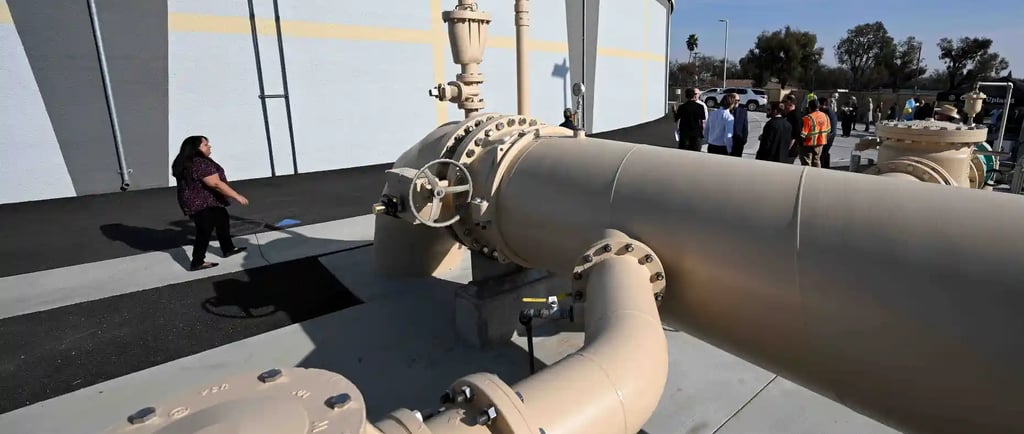
Understanding Upland’s Water System
A dependable water system is not something a city inherits—it is something that must be deliberately built, maintained, and protected over time. In Upland, today’s water reliability reflects long-term investments, local water rights, and careful planning designed to serve residents through both wet and dry years.
Delivering Safe and Affordable Water
Upland’s Water Division manages the delivery of clean drinking water that meets strict state and federal health standards. Beyond quality, the City’s goal is consistency—keeping water available, dependable, and reasonably priced by planning ahead and avoiding dependence on any single water source.
Multiple Sources, One Integrated System
Rather than putting all its eggs in one basket, Upland draws water from several different sources. This layered approach strengthens the system against drought, supply interruptions, and cost volatility.
Groundwater Resources
A significant portion of Upland’s water comes from groundwater basins that have been legally defined and carefully managed for decades. These basins—including those in the Chino, Cucamonga, and Six Basins regions—are overseen by court-appointed watermasters to ensure long-term sustainability and fair use.
Local Water Company Ownership
The City also secures water through ownership interests in two long-standing mutual water companies:
West End Consolidated Water Company, in which the City holds a controlling interest and receives locally pumped groundwater.
San Antonio Water Company, which provides both groundwater and seasonal surface water originating from San Antonio Canyon.
Surface water availability varies year to year and depends heavily on rainfall and mountain snowpack. When available, it is treated locally before being delivered to customers.
Imported Water as a Backup Supply
To further protect reliability, Upland participates in a regional imported water treatment facility that processes Northern California State Water Project supplies. This source acts as an insurance policy during prolonged dry periods or unusually high demand.
Recycled Water for Outdoor Use
Non-potable recycled water is used primarily for irrigation in parts of the city, serving parks, school grounds, golf courses, and major landscaped corridors. This reduces demand on drinking water supplies while maintaining public spaces.
What the City’s Water Planning Shows
Upland’s long-range water planning confirms that sufficient water supplies exist to meet projected needs during both average and dry conditions. However, supply alone does not guarantee reliability.
Much of the City’s water infrastructure—pipes, pumps, tanks, and valves—was installed decades ago. The most significant challenge facing the system today is not access to water, but ensuring that aging infrastructure continues to safely and reliably deliver it.
Why Infrastructure Investment Matters
Even the strongest water portfolio cannot prevent service interruptions if critical infrastructure is allowed to deteriorate. Ongoing maintenance and strategic replacement are essential to protecting water quality, system reliability, and long-term affordability for residents.
At a Glance: What Residents Should Know
Upland relies on multiple water sources, not just one
Supply diversity improves drought resilience
Infrastructure condition is the primary long-term risk
Continued maintenance protects reliability and cost stability
Disclaimer: The Upland Update is an independent community resource and is not affiliated with the City of Upland. This is my personal initiative to keep residents and businesses informed about key issues, city developments, and community events that impact our daily lives. My goal is to ensure you have clear, transparent, and timely information to stay engaged and involved in shaping Upland’s future.
James Breitling
(909) 342-2523
info@theuplandupdate.com
© 2025. All rights reserved.