
A Multi-Week Infrastructure Series WEEK 4 -Fire Flow and Public Safety
WEEK 4 — Fire Flow and Public Safety
Water Infrastructure Protects Homes and Lives
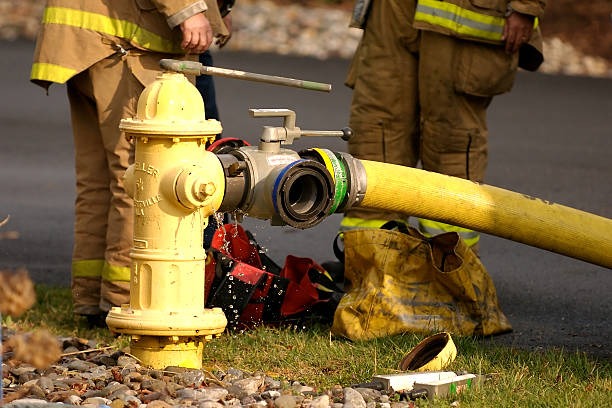
Fire protection depends on more than firefighters and equipment. It depends on water pressure, flow capacity, hydrants, and valves working exactly as designed during an emergency. When a structure fire occurs, every second matters — and so does every gallon of water.
The City’s Water Master Plans confirmed that Upland has adequate overall water supply and storage capacity to serve our community. That is reassuring. However, the analysis also identified an important public safety concern: fire flow deficiencies in certain areas of the city caused by undersized and aging water mains.
These deficiencies are most common in older neighborhoods that were built decades ago under outdated engineering standards. At the time of construction, smaller pipes may have met the requirements of the day. Today, those same pipes can limit the amount of water that reaches a hydrant during a high-demand fire event.
When water mains cannot deliver sufficient fire flow, firefighters face operational limitations during structure fires. Reduced hydrant output can mean lower pressure, slower knockdown of flames, and greater risk of fire spreading to adjacent homes. That increases the potential danger not only to families and property, but also to first responders working inside hazardous conditions.
This is not a cosmetic issue. It is not about convenience. It is about public safety.
Upgrading undersized water mains improves hydrant performance and ensures that firefighters have the volume and pressure necessary to effectively protect lives and property. These infrastructure improvements strengthen our emergency response capability and reduce risk in older neighborhoods where system capacity may no longer align with modern fire protection standards.
Investing in water infrastructure is one of the most direct ways a city can protect its residents. Reliable pipes beneath our streets translate into stronger hydrants above ground. And when an emergency happens, that reliability can make the difference between containing a fire to one structure or losing multiple homes.
Modernizing aging infrastructure requires careful planning and responsible budgeting, but it is a core public safety responsibility. Water systems are long-term assets, and decisions made today will affect protection levels for decades to come.
Key Takeaways
Fire flow depends on pipe size, condition, and sustained water pressure
Aging and undersized water mains can limit hydrant performance
Older neighborhoods built under outdated standards face higher exposure
Targeted infrastructure upgrades directly strengthen fire protection and emergency response capability
Protecting homes and lives requires more than visible emergency equipment. It requires dependable infrastructure working behind the scenes — every day, and especially during the moments when it matters most.
Disclaimer: The Upland Update is an independent community resource and is not affiliated with the City of Upland. This is my personal initiative to keep residents and businesses informed about key issues, city developments, and community events that impact our daily lives. My goal is to ensure you have clear, transparent, and timely information to stay engaged and involved in shaping Upland’s future.
James Breitling
(909) 342-2523
info@theuplandupdate.com
© 2025. All rights reserved.