
A Multi-Week Infrastructure Series WEEK 6 — Staffing: Infrastructure Needs People
Critical need for additional staffing
Why Staffing Levels Matter
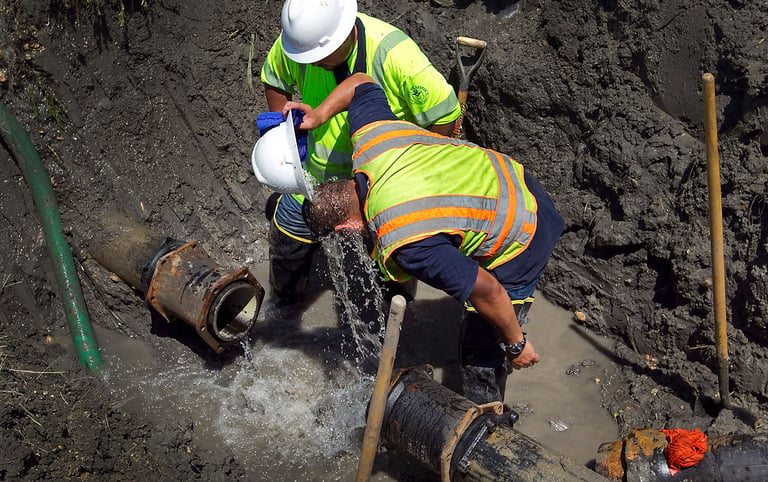
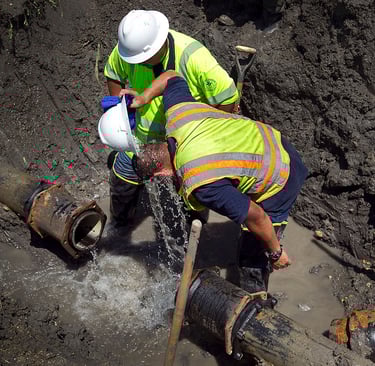
Infrastructure does not maintain itself. Water lines, hydrants, valves, pumps, and sewer mains require regular inspection, cleaning, testing, and repair. When those tasks are performed consistently, systems operate quietly and reliably. When they are delayed or overlooked, problems surface quickly — and often at the worst possible time.
The Master Plans confirmed that even with recent staffing additions, Upland’s Utilities Department remains approximately 37 percent below regional staffing averages for comparable cities. That gap is not theoretical. It directly impacts how much preventive maintenance can realistically be completed each year and how quickly crews can respond when something goes wrong.
When staffing levels are insufficient, the nature of the work shifts. Instead of focusing on scheduled inspections and routine maintenance, crews are forced into a reactive posture. Work orders become driven by emergencies rather than planning. A small leak that could have been addressed early becomes a water main break. A sewer line that could have been cleaned on schedule instead backs up during heavy use. Hydrant testing intervals stretch longer than ideal, and valve exercising programs fall behind.
Reactive work is almost always more expensive than preventive maintenance. Emergency mobilization requires overtime, rapid equipment deployment, traffic control, and pavement restoration. It also increases the likelihood of property damage, service interruptions, and public frustration. From a fiscal standpoint, preventing failures is significantly more cost-effective than repairing them after the fact.
Staffing levels also affect regulatory compliance and public safety. Water quality testing, system monitoring, documentation, and reporting requirements continue to expand under state and federal mandates. Fire flow readiness depends on hydrants and valves being properly maintained and accessible. Sewer overflow prevention programs require routine inspections and cleaning schedules. Adequate staffing ensures these responsibilities are met consistently, reducing liability and protecting the community.
This is not about expanding government for the sake of expansion. It is about protecting the infrastructure investments the community has already made. The City has invested millions of dollars in wells, reservoirs, pipelines, and treatment facilities. Those assets only retain their value if they are properly maintained by qualified personnel. A well-funded capital program without adequate staffing to maintain it ultimately undermines its own effectiveness.
Preventive maintenance saves money. Proper staffing stabilizes operations. And reliable infrastructure protects residents, neighborhoods, and businesses.
Key Takeaways
Upland remains significantly underststaffed compared to peer cities.
Insufficient staffing shifts work from preventive to reactive.
Emergency repairs are more costly than planned maintenance.
Adequate staffing supports safety, compliance, and reliability.
Infrastructure requires both physical assets and skilled people. Ensuring the right staffing levels today protects long-term service quality and controls costs for the future.
Disclaimer: The Upland Update is an independent community resource and is not affiliated with the City of Upland. This is my personal initiative to keep residents and businesses informed about key issues, city developments, and community events that impact our daily lives. My goal is to ensure you have clear, transparent, and timely information to stay engaged and involved in shaping Upland’s future.
James Breitling
(909) 342-2523
info@theuplandupdate.com
© 2025. All rights reserved.