
Understanding Upland's Water System
Your water's journey to you!
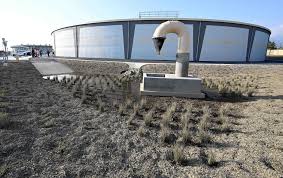
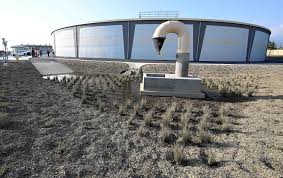
The City of Upland relies on a diverse and complex system of local and imported resources to meet community water demands, which fluctuate from 7.2 million gallons a day in the winter to 25.7 million gallons a day in the summer.
How Upland Receives Its Water Upland’s water portfolio is drawn from four primary sources:
Local Groundwater: The city pumps water from three distinct, adjudicated underground aquifers: the Chino, Cucamonga, and Six Basins. Upland accesses this water through its own city wells, which are up to 800 feet deep, as well as through shares in local mutual water companies like the West End Consolidated Water Company.
Local Surface Water: Highly valued for its pristine quality, this water comes from snowmelt and rain in the Mount Baldy and San Antonio Canyon areas. Upland accesses this seasonal source through its entitlement rights with the San Antonio Water Company.
Imported Water: Crucial during the hot, high-demand summer months, Upland receives water originating from Northern California via the State Water Project and the Metropolitan Water District. This water travels through a 12-foot pipeline under 18th Street into a regional treatment plant. During the summer, Upland relies on this source for up to 14 million gallons a day.
Recycled Water: Processed by the Inland Empire Utilities Agency, recycled water is pumped up to the city through a dedicated backbone pipeline and is used strictly for landscape irrigation at places like Memorial Park, Sierra Vista Park, and local golf courses.
To maintain its underground reserves, Upland aggressively captures natural stormwater. When rain flows down the San Antonio channel from behind the San Antonio Dam, it is diverted into porous percolation ponds and spreading grounds. The water rapidly sinks into the earth, sometimes at a rate of three feet a day, to naturally replenish the local aquifers for future pumping.
Treating and Delivering the Water Before reaching residents, the water must be treated and distributed across Upland's sloping geography.
Treatment: The treatment process depends on the source. Deep groundwater naturally filters through the earth and only requires basic disinfection (chlorination) before being served. Surface water from the canyons, however, is processed at a city-owned, 6-million-gallon-a-day treatment plant below the San Antonio Dam, where it is filtered for particulates and disinfected. Imported water is treated at the Water Facilities Authority (WFA) plant—an 81-million-gallon-a-day facility jointly owned by Upland and neighboring agencies. A team of highly certified city operators physically checks the wells daily and conducts about 3,000 water quality tests a year to ensure safety.
Distribution: Upland features a three-percent elevation drop from the top of the city to the bottom. To manage this slope, the city’s pipe network is divided into five distinct water pressure zones. Because water naturally flows to where demand is highest, the exact blend of water a resident receives depends on their location. Homes in the north might receive canyon surface water, while residents near the WFA plant generally receive imported water.
Storage and Pressure: Once treated, the water is pumped through booster stations and stored in reservoirs scattered across the city, which hold a combined 50 million gallons of water. These reservoirs constantly empty and refill to balance daily domestic use, provide necessary flow for firefighting, and act as an emergency buffer.
Because the entire delivery system relies heavily on electrical pumps and aging infrastructure to move water between pressure zones, the city faces ongoing operational challenges. To secure this supply against threats like droughts, earthquakes severing imported water canals, and power shutoffs, Upland continues to invest in infrastructure upgrades, drill new local wells, and heavily promote community water conservation programs.
Disclaimer: The Upland Update is an independent community resource and is not affiliated with the City of Upland. This is my personal initiative to keep residents and businesses informed about key issues, city developments, and community events that impact our daily lives. My goal is to ensure you have clear, transparent, and timely information to stay engaged and involved in shaping Upland’s future.
James Breitling
(909) 342-2523
info@theuplandupdate.com
© 2025. All rights reserved.